Pet Orthopedic Surgery
Pet orthopedic surgery is highly effective for returning a cat or dog’s joints or bones to their normal state of health.
Pet Orthopedic Surgery
Veterinary orthopedic surgery deals with preventing, diagnosing, and treating conditions related to a pet’s musculoskeletal system — including bones, joints, ligaments, muscles, and tendons. We surgically treat diseases and abnormalities such as bone fractures, CCL tears (like an ACL in humans), hip dysplasia, and patellar luxation or floating kneecaps using state-of-the-art orthopedic techniques and technology.
Signs Your Pet Needs an Orthopedic Consultation
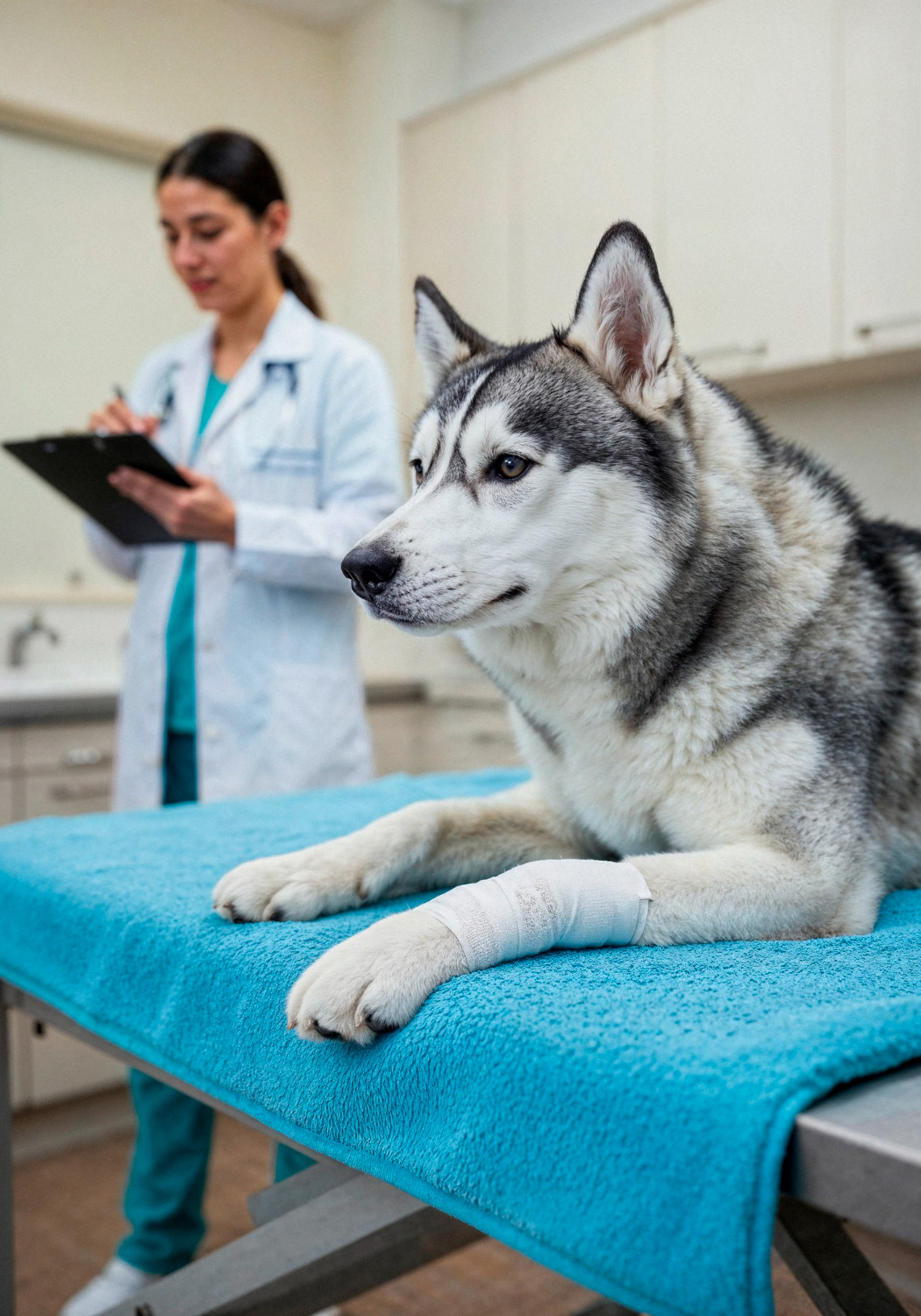
Orthopedic surgery may be required due to trauma; however, often, it’s necessary because a disease or congenital condition causes pain and mobility issues and negatively impacts a pet’s quality of life. Symptoms include lethargy, temperament changes, limping, gait changes, excessive licking or chewing, reluctance to go up or down stairs, and full or partial paralysis.
Types of Pet Orthopedic Surgery
Cruciate Ligament Disease
- Extracapsular Stifle Stabilization for CCL Injury
- Tibial Plateau Leveling Osteotomy (TPLO)
- Femoral Head Osteotomy (FHA)
- Hip Luxation
- Bone pin and wire
- Bone plate and screws
- A luxating patella occurs when the dog patella (kneecap), which usually sits on the groove of the femur (thighbone), shifts out of alignment
Veterinary Services
Below are all of the veterinary services we offer at Acadiana West Animal Clinic. If you have any questions regarding our services, please feel free to call us.